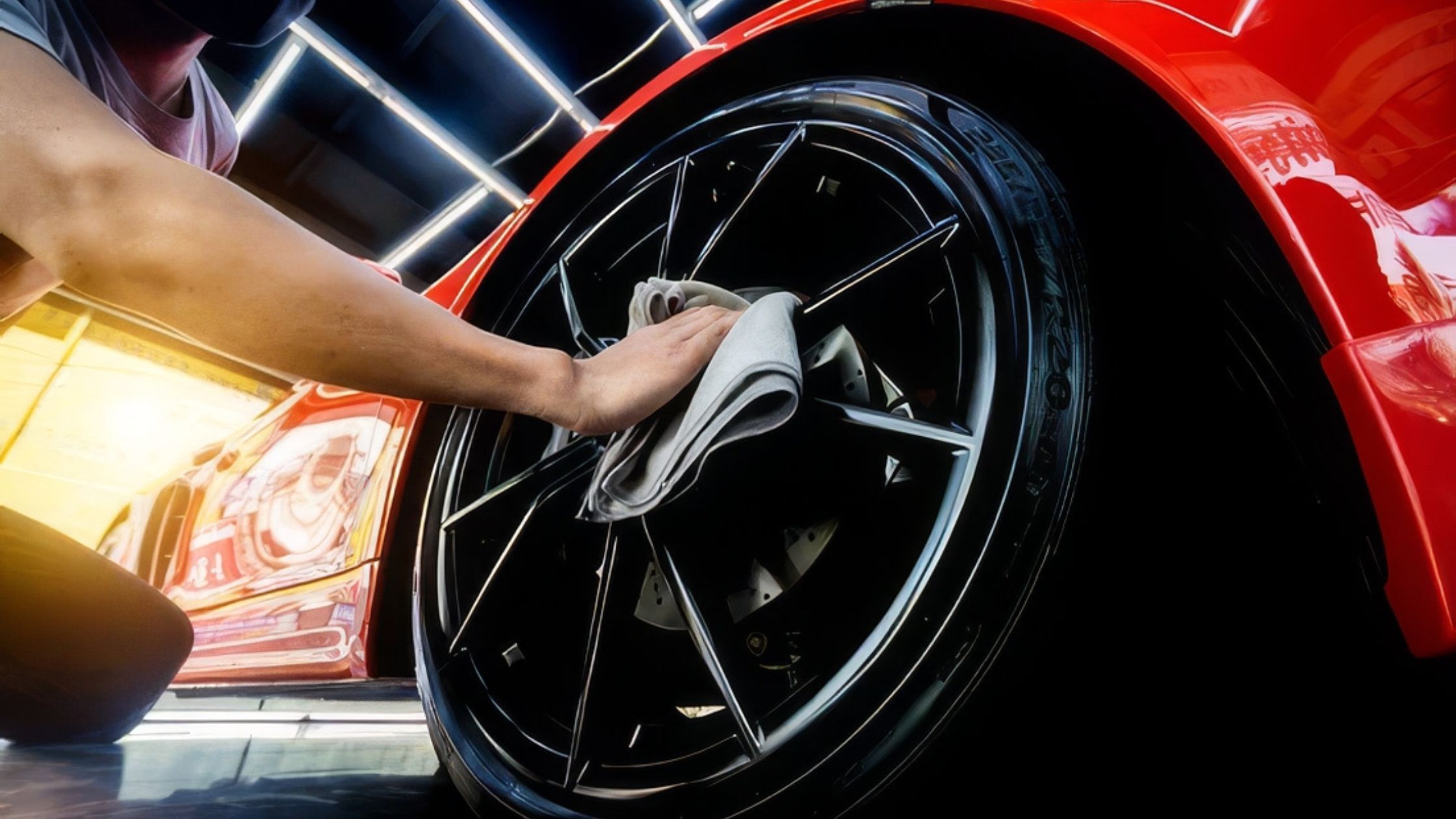
Why Scottsdale Cars Need More Frequent Mobile Detailing
Why Does Scottsdale’s Desert Environment Require More Frequent Mobile Detailing?
Scottsdale is famous for its gorgeous desert vistas, but the harsh Arizona sun is highly unforgiving to your vehicle. The intense solar radiation combined with abrasive desert sand acts like physical sandpaper on clear coats. Finding the right cadence for mobile detailing in Scottsdale is crucial to prevent long-term depreciation. Neglecting your car's exterior can lead to permanent paint damage within months.
To maintain your car's aesthetic and financial value, you must understand the microscopic hazards lurking in the air. From Old Town Scottsdale to the windy roads near the McDowell Sonoran Preserve, dust settles on every surface. Regular upkeep is not just about keeping your car looking shiny. It is about saving thousands of dollars in paint correction and leather restoration down the road.
How often should you wash your car in the desert?
In Scottsdale, you should wash your car at least once every week or two, and receive a professional detail once a month. This frequent schedule prevents abrasive dust and mineral deposits from bonding to your vehicle's surface. Waiting longer than two weeks allows desert contaminants to bake into your clear coat, making them difficult to remove safely.
The Sonoran Desert climate creates a unique set of challenges for automotive finishes. Fine caliche dust, which contains highly alkaline minerals, regularly settles on vehicles parked near McCormick Ranch or Gainey Ranch. When this dust mixes with morning dew or light monsoon rain, it creates a corrosive paste. This mixture quickly eats through wax coatings and begins attacking the paint underneath.
Implementing a strategy for protecting cars from desert dust requires more than just a quick run through an automated wash. Automated brush washes often drag these abrasive particles across your paint, creating micro-scratches and swirl marks. A delicate, hand-wash detailing process is required to lift the dirt safely. If you notice persistent paint dullness, a professional detailing service can safely restore your car's glossy finish.
Frequent professional maintenance also addresses areas that standard car washes completely miss. Door jambs, wheel wells, and suspension components accumulate thick layers of desert grime over time. If left untreated, this buildup traps moisture and corrosive salts, leading to premature rust and component wear. A comprehensive detailing routine ensures every hidden crevice is thoroughly cleared of destructive debris.
Why is mobile detailing in Scottsdale essential for local vehicle owners?
Choosing mobile detailing in Scottsdale allows you to preserve your vehicle's value without disrupting your busy schedule. Our local climate features high temperatures that accelerate chemical reactions on your vehicle's paint. Mobile services bring specialized equipment and filtered water directly to your home or office. This ensures your vehicle receives the precise care it needs right where it is parked.
The heat in Arizona is extreme enough to bake contaminants into your car's finish within hours. When bird droppings, tree sap, or bug splatters land on a hot hood, the heat expands the paint pores. As the vehicle cools, the pores contract, trapping the acidic contaminants inside the clear coat. Mobile detailers can address these issues immediately at your location before permanent etching occurs.
Additionally, many residential neighborhoods in areas like DC Ranch have strict water runoff rules. Standard home washing can lead to heavy fines due to environmental regulations. Professional mobile detailers use eco-friendly reclamation systems to prevent water waste and runoff. This keeps you compliant with local homeowner association guidelines while keeping your car pristine.
Mobile detailing also eliminates the risks associated with driving a freshly cleaned vehicle through dusty streets. When you drive home from a physical wash bay, your tires kick up fresh dust that immediately sticks to the wet paint. By having the service performed in your own driveway, the vehicle can dry completely in a controlled space. This ensures the protective sealants have ample time to cure without environmental interference.
How does Scottsdale's extreme heat affect car interiors and exteriors?
Scottsdale's extreme heat causes car paint to oxidize and interior leather to crack by dry-baking the materials. When ambient temperatures exceed 110 degrees, surface temperatures on dark-colored vehicles can top 180 degrees. This intense thermal stress dries out vital moisture from leather, vinyl, and rubber seals.
Understanding vehicle care in Scottsdale's climate requires a proactive approach to UV defense. The ultraviolet rays from the Arizona sun act as a continuous bleach on your car's pigments. Over time, this breaks down the chemical bonds of the paint, leading to a dull, chalky appearance. Plastic trim pieces will also fade from black to light gray, becoming brittle and prone to snapping.
The interior of your vehicle acts like a greenhouse, trapping heat and raising temperatures to dangerous levels. If you park daily near the Scottsdale Quarter, your dashboard faces extreme exposure. You can contact us to establish a routine interior shield before the leather seats shrink, stiffen, and eventually split. Frequent conditioning treatments restore the essential oils that keep these materials flexible.
Furthermore, the rubber weatherstripping around your doors and windows degrades rapidly in dry heat. When these seals fail, they allow wind noise and fine desert dust to penetrate the cabin. Keeping these rubber components cleaned and dressed with specialized protectants prevents them from dry-rotting. This simple step maintains your cabin's quiet seal and keeps out unwanted outdoor allergens.
What are the primary paint damage culprits in Scottsdale?
The primary paint damage culprits in Scottsdale are caliche dust, monsoon rain minerals, alkaline water spots, and acidic organic debris. These materials react chemically with your clear coat when exposed to intense daily sunlight. Without regular decontamination, these elements will etch deep into the paint layers.
Caliche dust is particularly problematic because of its high calcium carbonate content. When wind currents carry this dust from North Scottsdale construction sites, it settles into every crevice. If you try to wipe it off with a dry cloth, you will cause micro-abrasions. It must be lubricated and lifted off safely using specialized detailing soaps and clean washing mitts.
Monsoon season brings heavy downpours followed immediately by intense sunlight. The rainwater in the desert picks up dust particles from the atmosphere as it falls. When these drops evaporate rapidly on a hot car hood, they leave behind hard mineral rings. These spots cannot be removed with a standard wash and often require professional paint correction.
Organic debris from local desert flora also poses a major threat to automotive finishes. Palo Verde and Mesquite trees drop pollen and sap that bond tightly to clear coats. Bird droppings are highly acidic and will etch into your paint in less than an hour on a hot summer day.
Here is a breakdown of how these specific desert hazards affect your vehicle and how detailing addresses them:
How do local Scottsdale driving conditions impact your vehicle?
Scottsdale's driving conditions accelerate wear and tear due to high-speed road debris on the Pima Freeway and stop-and-go urban heat. Commuting between South Scottsdale and North Scottsdale exposes your vehicle to constant gravel, sand, and asphalt oils. These elements create a layer of road grime that traps heat against your car's body.
If you commute daily down Scottsdale Road, your car is subjected to intense engine heat and baking asphalt. This environment creates an oily film on the lower panels of your vehicle. This film acts like a magnet for fine desert dust, creating a thick layer of grime. If left untreated, this grime bonds to the paint, making it difficult to remove without harsh chemicals.
Up in the northern neighborhoods like Troon or Desert Highlands, the roads are often winding and flanked by natural desert. While scenic, these routes expose your car to desert winds that carry high-velocity sand particles. This natural sandblasting effect slowly chips away at your front bumper, hood, and side mirrors. Regular application of paint sealants or ceramic coatings provides a sacrificial barrier against these impacts.
Dust storms, locally known as haboobs, are common during the late summer months. These massive dust walls coat vehicles in a thick layer of fine silt that penetrates engine bays and cabin filters. If you do not have your engine bay cleaned regularly, this dust can clog components and insulate heat. Having an experienced specialist clean these sensitive areas ensures no damage occurs to delicate electronic sensors.
The science behind paint oxidation in desert environments
Paint oxidation in desert environments is a chemical reaction triggered when UV light breaks down the polymers in automotive clear coats. Once this protective top layer degrades, oxygen reacts with the underlying paint pigments, causing them to fade. This process leaves the surface feeling rough and looking chalky or white.
Your vehicle's clear coat is designed to protect the pigment layers from environmental damage. However, clear coats have a limited lifespan when subjected to continuous Arizona sun exposure. Once the clear coat loses its moisture and UV inhibitors, it becomes porous. Moisture, oxygen, and heat then penetrate the paint, accelerating the oxidation process.
This chemical degradation happens much faster on dark colors like black, red, and dark blue. These colors absorb more heat from the sun, raising the surface temperature of the metal panels. This increased thermal energy speeds up the oxidation reaction, leading to premature clear coat failure. White and silver vehicles also oxidize, but the visual damage is less obvious until the clear coat begins to peel.
Preventing oxidation requires a continuous physical barrier between the paint and the environment. Traditional carnauba waxes provide excellent gloss but melt at temperatures around 180 degrees. In Scottsdale, surface temperatures easily exceed this threshold, causing wax to evaporate within weeks. Synthetic polymer sealants and ceramic coatings are essential because they offer much higher thermal resistance.
FAQs about desert vehicle care
How do I protect my car paint from Arizona heat?
The best way to protect your car paint from Arizona heat is by applying a high-quality ceramic coating or synthetic polymer sealant. These products create a durable chemical bond that resists high temperatures and blocks harmful UV rays. Additionally, parking in shady areas, using car covers, or parking inside a garage helps minimize direct sun exposure.
Is mobile detailing better than a drive-through car wash in Scottsdale?
Yes, mobile detailing is significantly better than drive-through washes because it avoids abrasive brushes that scratch paint. Automatic washes in Scottsdale often reuse water, which can contain dissolved desert minerals that leave spots. Hand-washing by a professional ensures every surface is cleaned safely with clean, filtered water.
How often should a car be waxed in Scottsdale?
In Scottsdale, you should wax your car every six to eight weeks if using a standard wax, or every six months with a synthetic sealant. Because the extreme heat degrades traditional wax quickly, synthetic sealants or ceramic coatings are highly recommended. These advanced coatings offer the long-lasting protection needed to survive the harsh summer months.
What is the best way to clean desert dust off a car without scratching it?
The best way to clean desert dust is to rinse the vehicle thoroughly first, then use a high-foaming soap to lubricate and lift the particles. Never use a dry microfiber towel or duster to wipe dust off your car, as this will drag the sharp sand particles across your clear coat. Always use a two-bucket wash method with clean mitts to prevent micro-scratches.
Does ceramic coating prevent desert sun damage?
Yes, ceramic coatings are highly effective at preventing desert sun damage because they contain advanced UV blockers. These coatings create a semi-permanent ceramic shield over your clear coat that does not melt in extreme temperatures. This barrier prevents UV rays from oxidizing the paint and keeps contaminants from bonding to the surface.
Conclusion: Maintaining your vehicle's value in Scottsdale
Protecting your vehicle from the harsh Arizona climate requires consistent care, specialized products, and a proactive maintenance schedule. The combination of intense heat, UV rays, and abrasive dust makes maintaining a clean car in Scottsdale an ongoing challenge. By staying ahead of paint oxidation and interior fading, you preserve your car's aesthetic appeal and financial value. Seeking professional mobile detailing in Scottsdale ensures your vehicle receives the advanced care it deserves without interrupting your day.
For vehicle owners who want to preserve their investment, Picture Perfect Detailing offers top-tier, convenient solutions. Boasting 180 Google reviews and a perfect 5-star rating as of today, our local team is trusted throughout the Valley. Our experienced technicians understand the unique challenges of desert vehicle care and utilize specialized techniques to protect your car.

