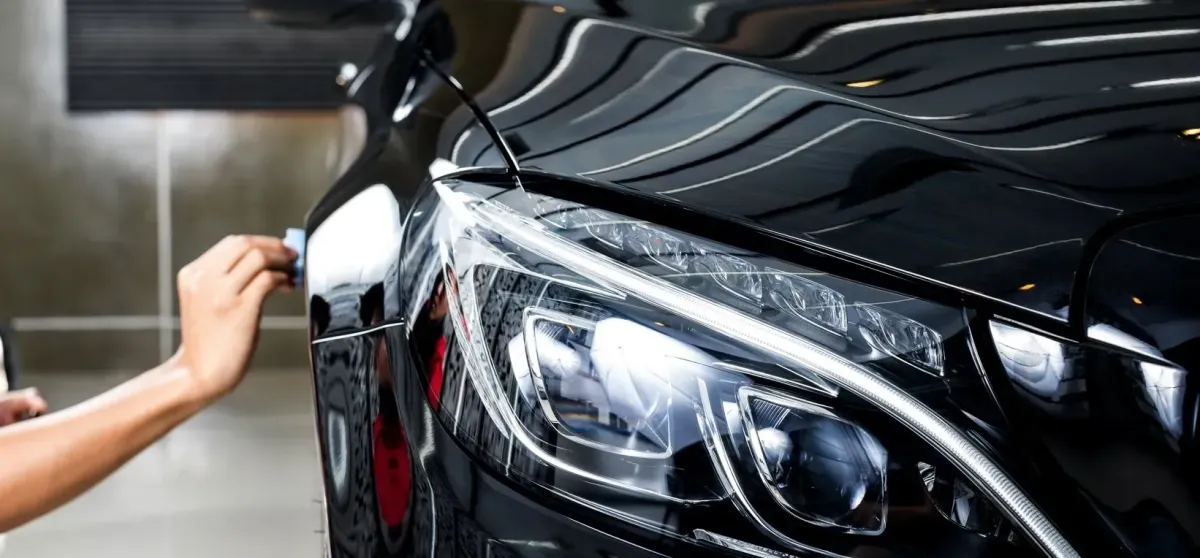
Why Paint Correction Matters Before Ceramic Coating
Why Is Paint Correction Important Before Ceramic Coating Application?
Vehicle owners often wonder whether paint correction is necessary before sealing their car with a long-lasting ceramic layer. Because ceramic coating is transparent, visible swirl marks, oxidation, and water-spot etching can remain noticeable after application if the paint is not properly prepared. When investing in a ceramic coating in Scottsdale, careful surface preparation helps produce deeper gloss, reliable hydrophobic performance, and proper bonding in Arizona conditions.
Do You Have to Do Paint Correction Before Applying Ceramic Coating?
Paint correction is often recommended before ceramic coating because transparent coatings do not hide existing paint defects. The amount of correction required depends on the vehicle's condition and the selected package. Picture Perfect Detailing includes paint correction or polishing with its ceramic-coating options so the surface can be prepared appropriately before application.
Performing paint correction before ceramic coating carefully refines the upper surface of the clear coat. This process creates a smoother finish that reflects light more evenly. Without suitable preparation, a transparent coating may leave existing scratches or haze visible instead of producing the clean, glossy result the owner expects.
Beyond aesthetics, a ceramic coating needs a clean, properly prepared surface. Embedded road grime, leftover wax, polishing oils, and oxidation can interfere with bonding. Inspection, decontamination, and the appropriate level of polishing help prepare the finish for the coating selected.
Why Is Paint Correction Essential for Ceramic Coating in Scottsdale?
Applying a ceramic coating in Scottsdale without suitable preparation can leave existing paint defects visible beneath the transparent coating. The Sonoran Desert presents harsh driving conditions, including strong ultraviolet exposure, high ambient temperatures, and airborne dust along corridors such as Frank Lloyd Wright Boulevard and Scottsdale Road.
These environmental elements cause unique surface damage that must be corrected before sealing your vehicle:
Sun-Induced Oxidation: Constant exposure to high temperatures breaks down clear coat binders, causing paint to look dull, dry, and hazy.
Mineral Water Spot Etching: High mineral content in local water supplies leaves stubborn calcium deposits that bake into warm panels around Old Town Scottsdale and North Scottsdale.
Desert Dust Micro-Scratching: Fine dust settling on vehicles acts like fine sandpaper when wiped improperly, creating widespread spiderweb swirl patterns.
Road Tar and Chemical Fallout: High-temperature asphalt off-gassing and highway debris from the Loop 101 freeway bond deeply into paint pores.
Reducing these imperfections before coating helps the finished surface display better clarity and depth while the coating provides UV and chemical resistance.
How Does Paint Correction Work on Vehicle Clear Coat?
Paint correction is a mechanical process that uses professional polishing machines, specialized pads, and suitable compounds to reduce clear-coat imperfections. Because paint systems and clear-coat depth vary by vehicle, the technician should inspect the finish and select a correction method that balances improvement with paint preservation.
To understand how clear coat leveling functions, consider the multi-layered structure of automotive paint:
Liquid Ceramic Coating Layer (1 to 3 Microns): The top protective barrier applied after polishing to seal the paint surface.
Clear Coat Layer (30 to 50 Microns): The transparent upper paint section where leveling occurs to eliminate scratches, water spots, and micro-swirls.
Base Color Coat (15 to 20 Microns): The direct color coat layer beneath the clear coat that provides the vehicle exterior shade.
Primer and Substrate Panel: The base corrosion-resistant foundation applied directly to the body panel.
During automotive paint surface preparation, professional detailers measure clear coat depth using digital paint depth gauges. This evaluation ensures that only the minimum amount of clear coat is removed to eliminate scratches without compromising structural integrity.
By refining the damaged upper surface, paint correction allows light to reflect more evenly. The amount of material affected depends on the paint system, defect severity, tools, and correction method, which is why professional inspection matters.
What Happens If You Skip Paint Correction Before Ceramic Coating?
Skipping appropriate surface correction can compromise the finished appearance and may affect coating performance. Picture Perfect Detailing offers 2-, 5-, and 9-year ceramic options, so preparing the paint properly is important before committing to multi-year protection.
Here are the primary issues that occur when you bypass paint correction:
Locked-In Defects: Swirl marks, holograms, and scratches remain fully visible under the crystal-clear ceramic layer.
Weak Chemical Bonding: Residual glazes, oils, or oxidation disrupt cross-linking between the coating molecules and clear coat.
Reduced Hydrophobic Efficiency: Rough, uncorrected surfaces trap water droplets and dirt, reducing self-cleaning properties.
Premature Coating Failure: Delamination or patchy degradation occurs where the ceramic layer fails to adhere to contaminated panels.
Uneven Light Dispersion: Light bouncing off microscopic ridges reduces depth, clarity, and overall color richness.
What Are the Different Stages of Paint Correction?
The level of correction your vehicle requires depends on paint hardness, existing scratch depth, and your aesthetic goals. Detailers evaluate panels under high-intensity color-matched LED lighting to determine the appropriate stage.
Single-Stage Paint Correction
Single-stage correction utilizes a medium-grade finishing polish paired with a foam or microfiber pad. This process removes light wash marks and hazing in one step, restoring gloss without aggressive clear coat removal. It is ideal for newer cars driven around Paradise Valley that have minimal wear.
Two-Stage Paint Correction
Two-stage correction addresses moderate to heavy defect levels. The first stage uses a heavy cutting compound to shave down scratch ridges. The second stage uses a fine finishing polish to eliminate compound haze and refine clarity. This option offers the best balance of safety and transformation for daily drivers.
Multi-Stage Surface Restoration
Multi-stage correction may be recommended for heavily oxidized paint, deeper water-spot etching, or more serious scratch damage. Depending on paint depth and condition, the process can include localized sanding, compounding, and multiple polishing steps on paint before coating steps to pursue a substantial visual improvement.
How Does Chemical Decontamination Support Automotive Paint Surface Preparation?
Machine polishing alone is not sufficient to prepare vehicle paint; chemical and physical decontamination must take place first. Polishing over embedded contaminants drags grit across panels, causing severe gouges and machine swirls.
A thorough surface preparation sequence includes four crucial steps:
pH-Neutral Foam Wash: Strips topical road grime, dust, and loose organic matter from exterior surfaces.
Iron Fallout Treatment: A specialized chemical cleaner breaks down embedded brake dust particles that cling to lower body panels.
Clay Bar Exfoliation: Synthetic clay glides over lubricated paint to pull out embedded industrial fallout, tree sap, and overspray.
Isopropyl Alcohol (IPA) Panel Wipe: Solvent cleansers dissolve lingering polishing oils, leaving a completely bare surface for bonding.
Completing this decontamination process helps create a cleaner surface before machine polishing begins.
How Does Arizona’s Desert Climate Affect Your Vehicle’s Clear Coat?
Vehicles parked or driven in McCormick Ranch, Troon North, or near DC Ranch encounter environmental factors that accelerate clear coat degradation faster than in most other regions across the country.
The Sonoran Desert environment subjects vehicles to severe conditions:
Extreme Surface Heat: Darker vehicles can become extremely hot during summer, increasing stress on unprotected finishes and causing contaminants to dry quickly.
Hard Mineral Water: Lawn sprinklers along neighborhood streets deposit calcium and magnesium that quickly etch into hot clear coat surfaces.
Monsoon Dust and Sand: Haboob dust storms coat vehicles in gritty particulate matter that easily scratches delicate panels during washing.
Intense UV Index: High UV levels break down unprotected paint resins, turning vibrant factory colors into faded, chalky surfaces.
Paint correction reduces visible oxidation and surface defects, while ceramic coating adds UV and chemical resistance that helps protect the prepared finish in Arizona conditions.
How Long Does the Paint Correction and Ceramic Coating Process Take?
Proper paint correction and coating application is a detailed service whose timeframe depends on the vehicle size, paint condition, selected package, and level of correction required.
Here is a general breakdown of the project timeline:
Inspection and Preparation: The vehicle is washed, inspected, decontaminated, and prepared for polishing.
Paint Correction: The technician performs the correction level included in or recommended for the selected package.
Panel Preparation: Residual polishing oils are removed so the coating can bond to a clean surface.
Coating Application: The appropriate Ceramic Pro layers are applied according to the selected 2-, 5-, or 9-year option.
Curing and Aftercare: The vehicle is allowed to cure according to product requirements, and aftercare instructions are provided.
Every ceramic-coating installation also includes a seven-day post-install inspection to check curing and protection.
When scheduling your details, you can easily contact us to review your vehicle's specific clear coat condition and establish an accurate service timeline tailored to your schedule.
Taking the necessary time during each step supports proper bonding, durability, and a high-gloss finish.
Frequently Asked Questions About Paint Correction and Ceramic Coatings
These answers address common questions about paint condition, correction levels, and preparation before ceramic coating.
Can ceramic coating fill in or hide existing scratches?
No, ceramic coatings do not fill or cover scratches. Because ceramic coatings are optical-grade clear liquids that cure thin and hard, they conform to the exact surface texture underneath, making scratches and swirl marks remain visible if not corrected first.
Is paint correction necessary on a brand-new car in Scottsdale?
Not every brand-new vehicle needs the same correction level, but new paint should still be inspected. Transportation, storage, dealership washing, and protective transit materials can leave light defects or contamination that should be addressed before coating.
How do you know if your vehicle needs single-stage or two-stage correction?
A single-stage correction is sufficient if your vehicle only displays light wash hazing or minor swirl marks under direct sunlight. If your paint exhibits deep scratches, water etching, or heavy oxidation, a two-stage correction is required to cut down deeper defects before refining gloss.
Does paint correction thin out your vehicle’s clear coat permanently?
Paint correction refines a small portion of the clear coat, so the amount of correction should be based on paint condition and available material. An experienced detailer can inspect the finish and use suitable tools and techniques to pursue improvement without removing more clear coat than necessary.
How do you maintain corrected and ceramic-coated paint in Paradise Valley or Scottsdale?
Maintain your coated vehicle by utilizing touchless or proper two-bucket hand washing techniques with pH-neutral shampoos. Avoid automated friction car washes, never wipe dry dust off dry paint, and wash your vehicle every two to four weeks to prevent mineral buildup.
Conclusion
Paint correction is an important part of many ceramic-coating transformations. By reducing oxidation, swirl marks, and mineral etching before application, the technician creates a cleaner, glossier surface for the coating. The right preparation supports the coating's appearance, hydrophobic performance, and multi-year protection against Arizona conditions.
When you are ready to restore your vehicle finish and secure lasting protection with a ceramic coating in Scottsdale, trust the specialists at Picture Perfect Detailing.

