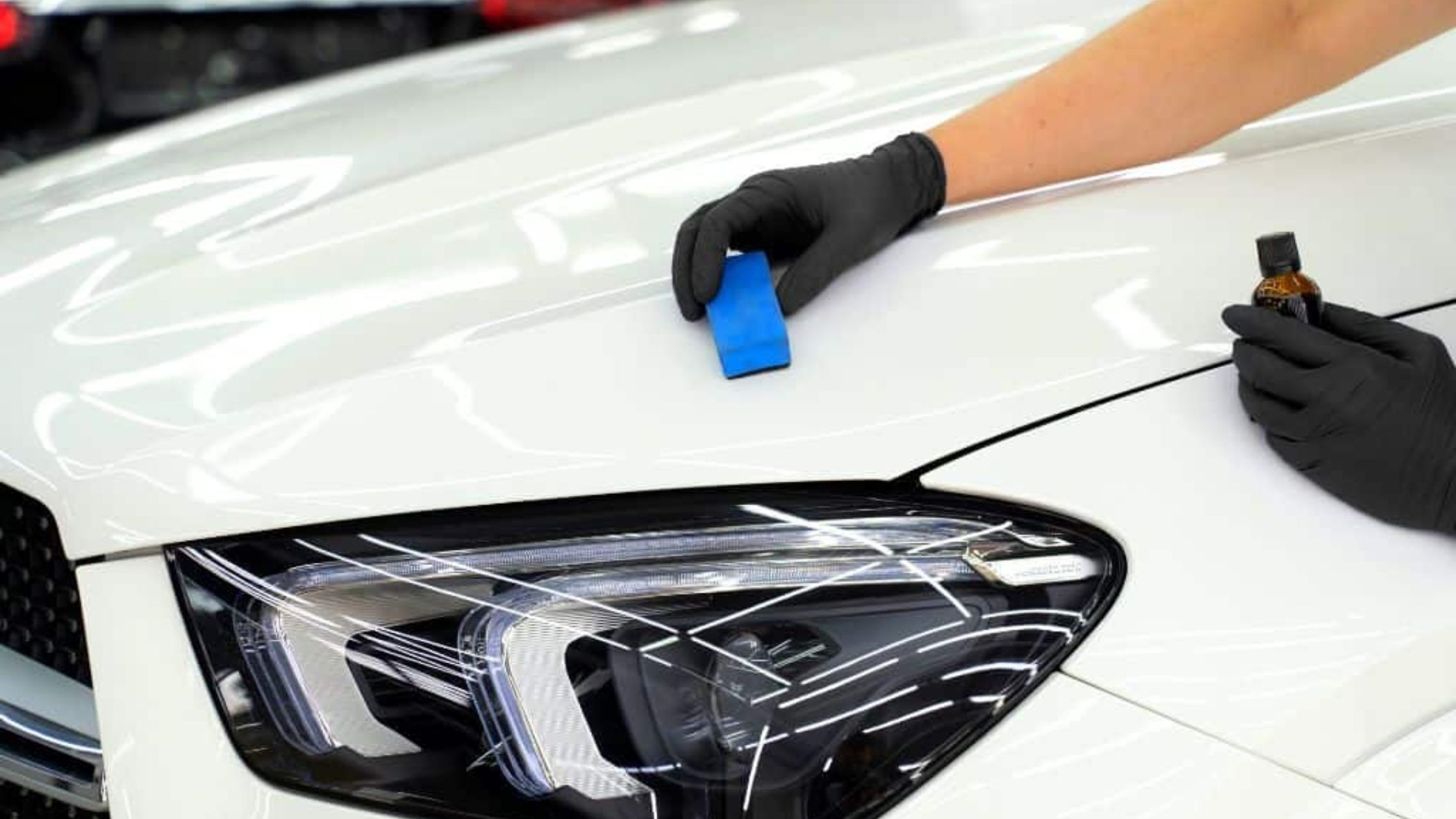
Is Ceramic Coating Worth It in Scottsdale’s Heat?
The intense Arizona sun can destroy a vehicle’s exterior in a single season, leading many drivers to wonder if ceramic coating in Scottsdale is truly a necessary investment or just a luxury add-on. If you are tired of seeing your paint fade under 110-degree heat or finding etched bird droppings after a quick trip to Scottsdale Fashion Square, the answer is a definitive yes. This liquid polymer creates a chemical bond with your factory paint, acting as a sacrificial shield that reflects UV rays and prevents the oxidation that plagues vehicles throughout Maricopa County.
Is ceramic coating worth it for your car?
Ceramic coating is worth the investment because it provides a semi-permanent layer of protection that traditional waxes and sealants cannot match, especially in high-heat environments. While a standard wax might melt off your car during a Scottsdale summer afternoon, a ceramic coating remains stable at temperatures exceeding 1,000 degrees. It significantly reduces the frequency of car washes, maintains a high-gloss finish, and protects the resale value of your vehicle by preventing environmental damage from minerals in our hard water and the abrasive desert dust.
The primary benefit for local drivers is the immense UV protection. The sun in the Sonoran Desert is relentless, and without a robust barrier, your clear coat will eventually fail, leading to peeling and dullness. By applying this technology, you are essentially "locking in" the pristine condition of your paint. This makes it an essential service for anyone commuting along the Loop 101 or parking their vehicle outdoors near the Waterfront.
Does ceramic coating protect against Arizona sun damage?
Yes, ceramic coating acts as a premium sunblock for your vehicle by utilizing nano-technology to fill the microscopic pores of the paint. When you invest in ceramic coating in Scottsdale, you are creating a surface that is highly resistant to ultraviolet radiation. This prevents the chemical process of oxidation, which is what causes red cars to turn pink and black cars to look chalky over time.
In addition to UV resistance, the coating provides thermal insulation for the paint surface. While it won't make the interior of your car cold, it helps the exterior surface shed heat more efficiently than bare, oxidized paint. This is particularly useful if you frequently find yourself driving through Old Town or heading up toward the McDowell Sonoran Preserve where shade is hard to find.
Beyond the sun, our local environment presents other challenges like dust storms and "haboobs." The slick, hydrophobic nature of a coated car means that fine desert silt is less likely to cling to the surface and cause micro-scratching. If you want to see what other local drivers think about these protective benefits, you can check out our reviews to see real-world results in this climate.
How long does ceramic coating last in the desert?
A professionally applied ceramic coating typically lasts between three to five years in the Arizona desert, depending on the grade of the product and how well the vehicle is maintained. This longevity far exceeds the two-month lifespan of traditional carnauba wax in our climate. To ensure the longest life possible, it is important to use pH-neutral soaps and avoid the high-friction automated car washes found near Kierland Commons, as the heavy brushes can eventually wear down the coating’s thickness.
The "worth" of the coating is often measured by its durability. If you plan on keeping your vehicle for several years, the one-time cost of a professional application is often lower than the cumulative cost of monthly waxes and the inevitable paint correction needed to fix sun damage later. It provides peace of mind for those who enjoy weekend drives out to Pinnacle Peak or Cave Creek.
Will ceramic coating prevent water spots from Scottsdale tap water?
Ceramic coating makes water spots much easier to remove, but it does not make the car "water spot proof" because of the extremely high mineral content in our local water. Scottsdale is known for having "hard" water. When water evaporates off a hot hood near the Salt River Fields, it leaves behind calcium and magnesium deposits. However, because the coating is hydrophobic, most of the water beads up and rolls off before it can dry, and any remaining spots sit on top of the coating rather than etching into the actual paint.
Maintenance becomes significantly simpler with this technology. Most dust and light contaminants can be rinsed away with a simple pressure wash. If you have questions about how this fits your specific vehicle maintenance schedule, feel free to contact us to discuss a customized protection plan.
Arizona Car Protection Coating vs. Traditional Wax
As shown in the table, the Arizona car protection coating is the superior choice for the local environment. While wax provides a nice temporary shine, it lacks the structural integrity to survive a week of 110-degree days in North Scottsdale.
Does ceramic coating hide existing scratches?
Ceramic coating does not hide existing scratches; in fact, its high-gloss nature can often make deep scratches more visible. This is why a "paint correction" or polishing process is required before the coating is applied. This ensures that the surface is as smooth as possible, allowing the coating to bond perfectly. If you apply a coating over swirl marks from a cheap car wash near Gainey Ranch, you are essentially sealing those flaws under a hard layer of glass.
The process of preparing the car is just as important as the coating itself. Decontamination removes embedded metallic fallout and minerals, while polishing levels the clear coat. Once the paint is perfected, the ceramic coating in Scottsdale is applied to preserve that "better than showroom" look for years to come.
Can you take a ceramic coated car through a car wash?
You should avoid automatic "touch" car washes with spinning brushes if you want to maintain the integrity of your ceramic coating. These brushes often hold onto dirt from the previous vehicle—perhaps a muddy truck coming back from the Tonto National Forest—which then acts like sandpaper on your coating. Instead, opt for touchless car washes or, ideally, a hand wash using the two-bucket method.
The coating makes hand washing incredibly fast. Since dirt doesn't "stick" to the surface, you don't need to scrub aggressively. A high-quality microfiber mitt and a leaf blower to dry the car are often all you need to keep your vehicle looking like it just came out of a professional detail shop in the Airpark area.
Ceramic Coating Benefits Scottsdale: Why It Matters Locally
One of the greatest ceramic coating benefits Scottsdale residents appreciate is the protection against environmental contaminants like bird droppings and tree sap. In neighborhoods like McCormick Ranch, where lush landscaping is common, trees often drop sap that can eat through clear coats in hours under the sun. The chemical resistance of a ceramic coating provides a window of time to wash these contaminants off before they cause permanent damage.
Furthermore, the aesthetic appeal cannot be overstated. A coated car has a "wet" look that persists even when the car is slightly dusty. Whether you are valet parking at the Fairmont Scottsdale Princess or heading to a business meeting in the Paradise Valley area, your car will consistently stand out.
Is ceramic coating worth it for leased vehicles?
Ceramic coating is highly recommended for leased vehicles because it protects you from "excessive wear and tear" charges when you return the car. Lease inspectors look for paint oxidation, staining, and light scratches. By keeping a coating on the car, you ensure the paint remains in the same condition as the day you drove it off the lot near the Scottsdale AutoShow. It is a small price to pay to avoid thousands in penalties later.
Frequently Asked Questions
How much does ceramic coating cost in Scottsdale?
The cost of a professional ceramic coating varies depending on the level of protection you choose and the current state of your vehicle's paint. While prices can range from $800 to $2,500, the investment covers more than just the liquid application.
Factors that influence the final price include:
The size of the vehicle (a compact car vs. a full-size SUV).
The amount of paint correction required to remove swirls and scratches.
The number of layers and the specific longevity rating of the coating.
Additional treatments for glass, wheels, or interior surfaces.
Do I still need to wash my car if it is ceramic coated?
Yes, regular maintenance is still required, but the process is significantly less labor-intensive than maintaining a non-coated vehicle. Because the surface is hydrophobic, dirt and grime have a much harder time sticking to the paint.
To keep your coating in top condition, follow these simple rules:
Wash the vehicle every 2 to 4 weeks using a pH-neutral soap.
Use the two-bucket wash method to avoid reintroducing grit to the paint.
Dry the vehicle with a high-quality microfiber towel or a dedicated air blower.
Avoid washing the car in direct sunlight during the peak heat of the day.
Can I apply ceramic coating myself?
While there are many DIY kits available online, they are not the same as the professional-grade coatings used by experienced detailers. Professional coatings require a high degree of precision and a controlled environment to bond correctly.
The risks of a DIY application in the desert include:
High temperatures cause the coating to "flash" or dry too quickly.
Dust particles become trapped under the coating during the curing process.
High spots or streaks that are difficult to remove once they harden.
Lack of proper paint correction, which results in sealing in imperfections.
Does ceramic coating stop rock chips?
It is a common misconception that ceramic coatings are thick enough to stop physical impacts from road debris. Unfortunately, the coating is only a few microns thick and cannot absorb the energy of a stone hitting your car on the Pima Freeway.
For total protection, consider these differences:
Ceramic coatings protect against chemicals, UV rays, and light scratches.
Paint Protection Film (PPF) is a thick urethane layer designed to absorb rock impacts.
Many owners choose to install PPF on the front "impact zones" and ceramic coat the rest.
Combining both services provides the ultimate level of Arizona car protection.
Is it too late to coat an older car?
It is almost never too late to apply a ceramic coating as long as the factory clear coat is still present and hasn't started to fail or peel. In fact, many older vehicles see the most dramatic transformations after the correction and coating process.
The restoration process for an older vehicle involves:
An intensive multi-stage decontamination wash to remove years of buildup.
Professional machine polishing to level the paint and restore the original color.
Removal of oxidation that has dulled the finish over time.
Applying the coating to preserve the newly restored shine for years.
Conclusion
Determining if a ceramic coating is worth it comes down to how much you value your vehicle's appearance and its long-term health. In a climate where the sun is your paint's greatest enemy, having a semi-permanent shield is the most effective way to prevent costly repairs and maintain a premium aesthetic. From the luxury estates of Silverleaf to the bustling streets of the Scottsdale Quarter, protected vehicles simply fare better against the elements.
When you are ready to give your vehicle the ultimate defense, Picture Perfect Detailing is here to help. As a trusted local service provider, we specialize in high-performance surface protection tailored specifically for the Arizona environment. We provide a comprehensive solution to the problems of heat, dust, and UV damage, ensuring your car stays in peak condition regardless of the temperature. Applying a ceramic coating in Scottsdale is a proactive step that pays dividends in both pride of ownership and future resale value.

