How Long Does Ceramic Coating Last in Scottsdale?
The brutal combination of abrasive Sonoran dust and relentless ultraviolet radiation makes many car owners wonder exactly how long ceramic coating in Scottsdale can truly withstand the elements. While a high-quality professional application can theoretically last for several years, the "desert factor" plays a massive role in the real-world durability of your vehicle’s finish. If you frequently commute through the heavy traffic of the Loop 101 or park your car near the exposed asphalt of Scottsdale Fashion Square, your coating is facing a constant battle against thermal expansion and chemical etching that would destroy a traditional wax in weeks.
How long does ceramic coating last on a car?
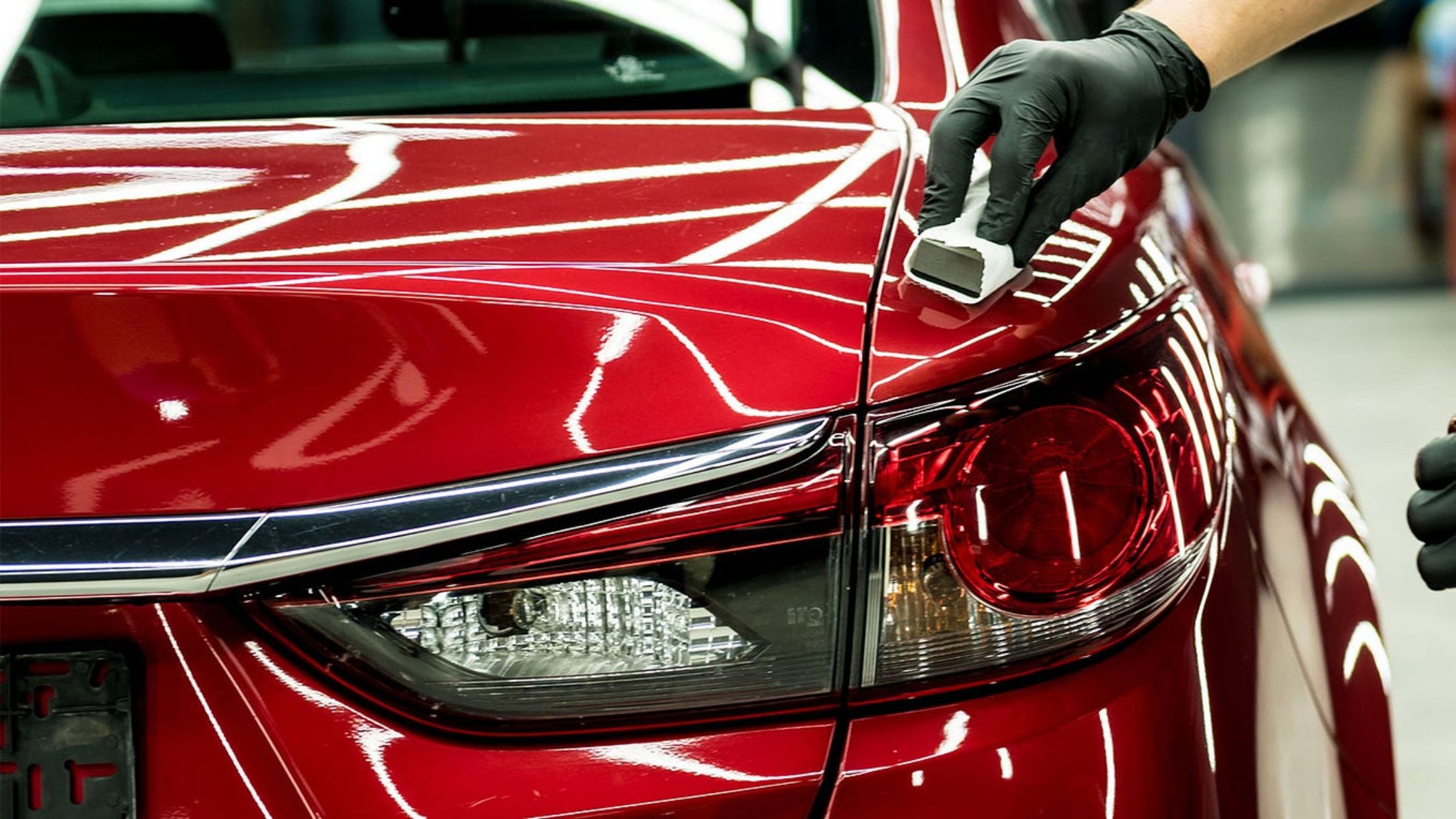
A professionally applied ceramic coating typically lasts between three to five years in the Arizona desert, though premium multi-layer systems can extend this lifespan to seven or even nine years with diligent maintenance. Unlike a wax that simply sits on the surface, this technology creates a semi-permanent chemical bond with your factory clear coat, forming a sacrificial layer of silicon dioxide (SiO2). This bond is resilient enough to survive the 120-degree summer peaks in neighborhoods like McCormick Ranch, where the surface temperature of a dark-colored car can easily exceed 160 degrees.
The actual durability of your ceramic coating in Scottsdale depends heavily on how the vehicle is stored and cleaned. Cars that are garaged in North Scottsdale and hand-washed using the two-bucket method will naturally see the longest-lasting results. Conversely, a vehicle that sits outside near the Salt River Fields and is subjected to abrasive automatic car washes will experience much faster degradation of its hydrophobic properties. By understanding the science of the bond, you can maximize your ceramic coating lifespan Arizona and ensure your paint remains protected against the chalky oxidation common in older desert vehicles.
What factors impact ceramic coating durability in the desert?
The lifespan of a long lasting car coating AZ is dictated by three primary environmental stressors: UV exposure, mineral accumulation, and physical abrasion. In a region that boasts over 300 days of sunshine, the constant bombardment of photons gradually breaks down the top layer of any protective surface. While ceramic is significantly more resistant than organic sealants, the sheer volume of sun in the Valley of the Sun means that the sacrificial layer is slowly "wearing away" as it protects your paint.
Physical abrasion from our local dust storms, or "haboobs," also plays a major role. When fine silt from the desert floor is blown across the Pima Freeway, it acts like a microscopic sandpaper on your vehicle’s exterior. If this dust is wiped away with a dry cloth or scrubbed by the heavy brushes of a local car wash, it can create micro-marring that reduces the gloss and effectiveness of the coating. To see how other local enthusiasts have managed their vehicle's upkeep in these conditions, you can check out our reviews for firsthand accounts of long-term durability.
Does the extreme heat melt ceramic coating?
No, ceramic coatings are incredibly heat-resistant and will not melt or "run" like traditional carnauba waxes, which typically begin to degrade at just 120 degrees Fahrenheit. Because a ceramic coating in Scottsdale is engineered to withstand temperatures upward of 1,000 degrees, it remains chemically stable even when your hood is baking in the sun at Kierland Commons. This thermal stability is one of the biggest advantages for Arizona drivers, as it ensures the protection doesn't vanish during the most damaging months of the year.
The heat actually poses a different challenge: it accelerates the "etching" process of contaminants. When a bird dropping or tree sap from a Palo Verde tree sits on a hot surface, the heat causes the paint's pores to expand, allowing the acids to penetrate deeper. The ceramic layer prevents this penetration by creating a hard, non-porous barrier that doesn't soften under the sun. If you have specific concerns about how the heat is affecting your current paint condition, you should contact us to receive a professional assessment and a tailored protection strategy.
How do you know when a ceramic coating is failing?
The first sign that your ceramic coating in Scottsdale is losing its effectiveness is a noticeable decrease in hydrophobic behavior. When the coating is fresh, water will bead up into tight, round droplets and roll off the surface with ease. As the coating wears down or becomes "clogged" with environmental contaminants, you will see the water start to "sheet" or pool on the surface instead of beading. This doesn't necessarily mean the coating is gone, but it often indicates that a deep decontamination wash is required to restore the surface properties.
Other indicators of a failing or worn coating include:
A loss of that deep, "wet look" mirror shines.
Difficulty in rinsing away light desert dust and road grime.
The surface feels "grabby" or rough to the touch rather than slick.
Increased visibility of water spots that seem harder to remove.
Professional vs. DIY: Which lasts longer in Arizona?
When considering the durability ceramic coating Scottsdale drivers require, professional-grade products significantly outperform DIY kits bought at a local big-box store. Professional installers use coatings with a higher concentration of solids—the actual SiO2 particles—which results in a thicker, harder, and more durable layer. Furthermore, the professional application process involves industrial-grade decontamination and multi-stage paint correction that is nearly impossible to replicate in a home driveway near Gainey Ranch.
The preparation stage is where longevity is truly won or lost. If a coating is applied over embedded rail dust or mineral deposits, it cannot bond properly to the paint, leading to premature "peeling" or failure within months. Professional shops work in climate-controlled environments to ensure the coating cures at the perfect temperature, far away from the wind-blown sand of the Airpark area. This controlled curing process is vital for the long-term integrity of the chemical bond.
The Role of Maintenance in Coating Longevity
By following this maintenance schedule, you can easily push a three-year coating to five years. The goal is to minimize the amount of physical "work" the coating has to do and keep the surface free of mineral buildup that can hide the coating’s natural performance.
Can Scottsdale's hard water shorten a coating's life?
Our local water is notoriously high in calcium and magnesium, and while a ceramic coating in Scottsdale makes these minerals easier to remove, the minerals themselves can "clog" the coating over time. If you consistently use a garden hose to rinse your car and let it air dry in the sun near the Waterfront, those minerals will bake onto the coating. This creates a surface that feels rough and looks dull, making it appear as though the coating has failed when it is actually just buried under a layer of scale.
To prevent this, it is recommended to use a deionized water system or a drying aid that neutralizes minerals. Regular professional "maintenance details" involve using specialized acids that safely dissolve these mineral deposits without harming the ceramic layer underneath. This is a critical step for anyone living in the Paradise Valley area or North Scottsdale where hard water is a common issue for outdoor sprinkler systems.
Does ceramic coating protect against desert rock chips?
It is important to manage expectations: a ceramic coating in Scottsdale will not protect your car from the high-velocity rock chips common on the Pima Freeway or near construction zones in DC Ranch. While the coating is "harder" than your factory clear coat, it is far too thin to absorb the kinetic energy of a flying pebble. For that level of protection, you would need to combine your coating with Paint Protection Film (PPF), a much thicker urethane layer designed specifically for impact resistance.
However, the coating does provide a "sacrifical" hardness that resists light marring and swirl marks. This is especially helpful when dealing with the fine sand that swirls around Old Town during windy afternoons. The slick surface makes it much harder for these abrasive particles to "bite" into the surface during a routine wash, keeping your paint looking newer for significantly longer than an unprotected vehicle.
Frequently Asked Questions
What is the average ceramic coating lifespan in Arizona?
For most daily drivers, you can expect a professional ceramic coating in Scottsdale to last 3 to 5 years. This range accounts for our high UV index and the frequent presence of abrasive dust, provided the car is hand-washed and occasionally "topped" with a maintenance spray.
How does the desert heat affect the curing process?
Excessive heat during application can cause the coating to dry too quickly, leading to "high spots" or uneven coverage. This is why professional applications are done in temperature-controlled shops to ensure the liquid polymer has enough time to level out and bond perfectly with the surface.
Do I need to reapply ceramic coating every year?
No, you do not need to reapply the full coating annually. However, applying a "ceramic booster" or silica spray every few months is highly recommended. These products add a fresh layer of slickness and hydrophobicity, acting as a shield for your primary ceramic shield.
Will a ceramic coating prevent my paint from fading?
Yes, preventing UV-induced fading and oxidation is one of the primary benefits of a ceramic coating in Scottsdale. By blocking 90% to 95% of harmful UV rays, the coating ensures that your paint's pigments remain vibrant and don't turn into the dull, chalky finish seen on unprotected cars.
Can I use a regular car wash with a ceramic coating?
You should strictly avoid "automated brush washes" as they will eventually scratch the coating and dull its shine. If you cannot hand wash your car, a "touchless" car wash is a safer alternative, though the harsh chemicals used in those systems can still slowly degrade the coating over time.
Conclusion
The desert is a beautiful but unforgiving place for automotive paint, and choosing a ceramic coating in Scottsdale is the single most effective way to ensure your vehicle survives the elements with its gloss intact. While the local conditions are harsh, the technology behind modern coatings is specifically designed to handle extreme thermal stress and UV radiation. By investing in professional application and following a sensible maintenance routine, you can enjoy a showroom-fresh appearance for many years, even in the heart of the Sonoran Desert.
For the highest level of craftsmanship and local expertise, Picture Perfect Detailing provides the premium protection your vehicle deserves. As a trusted local service provider, we understand the specific nuances of our climate and use only the most durable, heat-resistant formulas available. We are your partner in preserving the beauty and value of your car, offering a permanent solution to the problems of oxidation and desert wear. Selecting a high-quality ceramic coating in Scottsdale is not just about the shine; it is about securing the long-term legacy of your investment.

