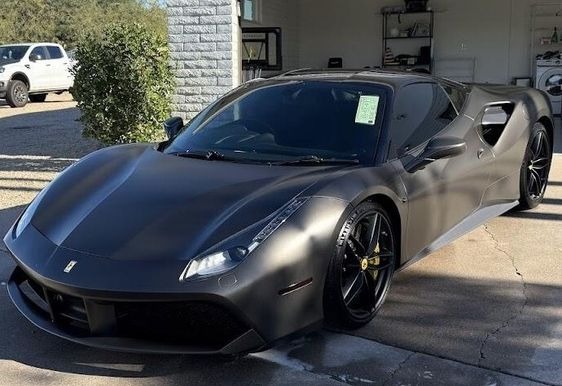
Can You Ceramic Coat Wheels, Glass, and Interior Areas?
Can Ceramic Coating Be Applied to Wheels, Glass, and Interior Surfaces?
Yes, professional ceramic coatings can be applied safely to wheels, glass, leather, vinyl, plastics, and interior fabrics, provided that specialized chemical formulas engineered specifically for each unique material are used. Many vehicle owners investing in ceramic coating in Scottsdale focus primarily on exterior paint protection, but non-painted surfaces face equal or greater environmental wear from blistering desert heat, UV exposure, and brake dust. Shielding all major vehicle surfaces creates a continuous hydrophobic and oleophobic barrier that preserves your vehicle's entire interior and exterior appearance while simplifying routine maintenance.
Is Ceramic Coating Safe and Effective for Non-Paint Surfaces?
Yes, ceramic coating is completely safe and highly effective for non-paint surfaces when installed using material-specific liquid polymer formulations. While standard clear coat coatings utilize dense silicon dioxide formulas designed for rigid paint substrates, specialized coatings for glass, metal, leather, and textiles are engineered with tailored flexible cross-linking structures.
Applying an improper paint-focused coating to flexible leather or porous textiles can cause stiffness or poor adhesion. However, dedicated surface formulations chemical-bond to distinct substrates without altering original textures, visual sheens, or breathing properties.
Wheel and Caliper Coatings: Engineered with high thermal tolerance to resist extreme brake temperatures and corrosive metallic brake dust.
Glass Coatings: Formulated with fluoropolymer additives to create slick hydrophobic surfaces that enhance rain visibility and prevent mineral water etching.
Leather and Vinyl Coatings: Built with flexible hydrophobic polymers that block chemical dye transfer, oil staining, and UV dry-rotting without making leather slick.
Fabric and Carpet Coatings: Designed to coat individual textile fibers with oleophobic barriers that repel spilled liquids, coffee, and mud.
Why Is All-Surface Ceramic Coating in Scottsdale Necessary for Desert Vehicles?
All-surface ceramic coating in Scottsdale is essential because intense desert heat and harsh solar radiation rapidly degrade unprotected automotive materials across the board. Vehicles parked near Kierland Commons, Gainey Ranch, or Old Town Scottsdale experience exterior panel temperatures exceeding 170 degrees Fahrenheit during summer months, radiating destructive heat directly into interior cabins and wheel assemblies.
Extreme ambient heat causes metallic brake dust to bake permanently into factory wheel clear coats and powder coatings. Meanwhile, high UV exposure near Pima Road and the Loop 101 causes leather upholstery to lose natural moisture, leading to premature cracking, fading, and stiffening.
Additionally, local groundwater contains dense concentrations of calcium and magnesium. Unprotected windshields and panoramic sunroofs exposed to residential sprinkler overspray develop etched mineral spots that obscure vision under direct sunlight. Surface-specific ceramic barriers neutralize these severe desert hazards across every square inch of your vehicle.
How Does Ceramic Coating Protect Car Wheels and Calipers?
Applying ceramic coating for car wheels and brake calipers forms an ultra-hard thermal barrier that repels metallic brake dust, road tar, and caustic road grime. Factory braking systems generate extreme heat alongside micro-iron particles that burn directly into bare alloy wheels, resulting in stubborn brown discoloration and pitted clear coats.
Professional wheel coatings maintain structural integrity at temperatures exceeding 1,000 degrees Fahrenheit. The non-stick ceramic barrier prevents hot metallic dust from fusing to wheel barrels, spokes, and painted brake calipers.
Effortless Brake Dust Removal: Embedded iron fallout washes away using standard pH-neutral car soaps rather than harsh acid cleaners.
Corrosion Defense: Prevents road salts, de-icing chemicals, and moisture from causing aluminum oxidation on wheel faces.
High-Gloss and Satin Preservation: Preserves original factory finishes across gloss, satin, matte, and diamond-cut aluminum finishes without adding unwanted gloss to matte surfaces.
Caliper Protection: Keeps high-performance aftermarket or factory painted calipers looking pristine and free of baked-on carbon residue.
What Are the Benefits of Ceramic Coating for Auto Glass?
Investing in ceramic coating for auto glass dramatically improves night and rain driving visibility by forming an optically clear, super-hydrophobic layer over exterior glass. Auto glass contains microscopic pores and ridges that trap water drops, dirt particles, and hard mineral deposits.
Liquid glass coatings fill these microscopic pits, creating an ultra-smooth surface with water contact angles exceeding 110 degrees. Raindrops bead up into tight spheres and roll off windshields at speeds above 30 mph, minimizing the need for constant wiper usage during seasonal monsoon storms across the Valley.
Submitting your vehicle information directly through our contact us form enables you to request detailed multi-surface coating options customized to your daily driving conditions.
Superior Wet-Weather Clarity: Repels heavy rain and road spray instantly, reducing visual distortion during severe storms.
Mineral Spot Etching Defense: Prevents hard tap water and sprinkler overspray from etching permanently into glass clear structures.
Reduced Wiper Wear: Slick chemical surface minimizes friction against rubber wiper blades, preventing chatter and extending blade lifespan.
Easy Insect Removal: Prevents organic acids from dried bug splatter on front windshields from bonding tightly to glass pores.
Can You Apply Interior Ceramic Coating to Leather and Fabric?
Yes, utilizing interior ceramic coating services allows detailers to protect sensitive cabin materials like leather, synthetic leather, Alcantara, carpet, and woven upholstery without altering their visual or tactile texture. Desert heat accelerates leather oil evaporation, causing seats to become dry, stiff, and prone to cracking under daily use.
Advanced interior coatings create an invisible, breathable hydrophobic seal around every leather pore and carpet fiber. Liquid spills bead up on carpet surfaces rather than soaking deep into foam underlayment, allowing simple cleanup with a dry cloth.
Reviewing authentic feedback in our ceramic coating reviews Scottsdale section demonstrates how applying comprehensive surface coatings protects luxury cabins against harsh daily wear and desert heat.
Dye Transfer Prevention: Blocks blue denim jeans dye from permanently staining light beige, white, or red leather seats.
UV Degradation Defense: Contains powerful UV absorbers that prevent dashboard cracking, vinyl hardening, and trim discoloration.
Stain and Liquid Resistance: Repels coffee, soda, mud, and oil-based liquids, preventing permanent interior carpet staining.
Maintains Original Factory Finish: Preserves luxurious OEM matte leather appearance without leaving greasy, shiny, or slippery residues.
Comparing Exterior and Interior Ceramic Surface Coatings
How Is Full-Vehicle Ceramic Coating Applied Step-by-Step?
Applying specialized ceramic coatings across multiple automotive surfaces requires careful preparation, unique chemical primers, and meticulous installation techniques tailored to each material.
Step 1: Chemical Decontamination and Surface Preparation
Every surface undergoes rigorous deep cleaning to eliminate oils, dust, and previous dressing residues. Technicians use dedicated iron-dissolving chemicals on wheels, heavy degreasers on glass, and pH-balanced interior cleaners on leather and carpets.
Step 2: Surface-Specific Priming and Machine Polishing
Paint and glass surfaces undergo single-stage or multi-stage machine polishing to remove scratches and mineral spots. Leather and vinyl surfaces are wiped down with surface prep agents to strip natural skin oils, ensuring unhindered ceramic polymer cross-linking.
Step 3: Multi-Layer Nano Coating Application
Working systematically panel by panel, technicians hand-apply specialized formulas to each surface material:
Wheels: Applied using precision applicators to reach deep into wheel barrels, spokes, and caliper faces.
Glass: Hand-buffed onto clean glass using micro-suede pads to eliminate streak hazing under inspection lights.
Interiors: Levelled gently over leather panels and sprayed evenly onto carpet fibers to coat individual threads.
Step 4: Curing and Quality Inspection
The complete application cures in a controlled environment to ensure all polymer matrices cross-link securely with their respective substrates before vehicle release.
Frequently Asked Questions
Can ceramic coating be applied to touchscreen displays and interior trim?
Yes, specialized ceramic coatings can be applied safely to interior gloss trim, carbon fiber, and central infotainment touchscreens. Liquid ceramic formulas seal smooth screen surfaces, creating an oleophobic barrier that reduces fingerprint oils, smudge marks, and dust accumulation while making screen cleaning fast and scratch-free.
How long does ceramic coating last on wheels and glass compared to paint?
Ceramic coatings on wheels and glass typically last 1 to 3 years, which is shorter than paint coatings due to severe friction and thermal exposure. Wheels experience intense heat and mechanical agitation, while glass faces constant wiper blade friction, both of which wear down coatings faster than passive paint panels.
Will interior ceramic coating make leather seats slippery or glossy?
No, a professional interior ceramic coating will not make leather seats slippery, greasy, or overly glossy. High-grade leather coatings bond inside clear topcoats without leaving greasy residues, preserving the soft tactile feel and factory-fresh matte sheen of OEM leather upholstery.
How does glass ceramic coating withstand Scottsdale wiper blade friction?
Glass ceramic coatings utilize high-durability fluoropolymer cross-linking designed specifically to resist mechanical abrasion from windshield wipers. Proper glass preparation and single-step polishing prior to installation create a chemical bond that withstands thousands of wiper swipes without peeling or hazing.
Does ceramic wheel coating eliminate the need for wheel cleaning?
No, ceramic wheel coating does not completely eliminate the need for cleaning, but it drastically reduces maintenance effort. Because hot brake dust cannot burn into the coated surface, you can rinse away up to 80 percent of brake dust using a standard pressure washer or garden hose without scrubbing.
Complete Surface Protection Across Scottsdale
Preserving your vehicle's long-term beauty and resale value requires protecting more than just its clear coat. Shielding high-impact alloy wheels, exterior glass, and delicate cabin upholstery with specialized nano-ceramic formulas creates a complete defense system engineered specifically for Sonoran Desert driving conditions.
When you are ready to give your car complete interior and exterior ceramic coverage, Picture Perfect Detailing delivers trusted local solutions directly to your driveway. As a fully self-contained mobile detailer equipped with onboard spot-free water filtration and electrical power, their experienced technicians perform precision paint correction, wheel coatings, glass sealing, and interior cabin defense across the Valley. Backed by 198 Google reviews and an outstanding 4.9-star rating as of today, Picture Perfect Detailing provides multi-year warranty tiers and official CarFax service reporting to keep every surface of your vehicle looking pristine.

