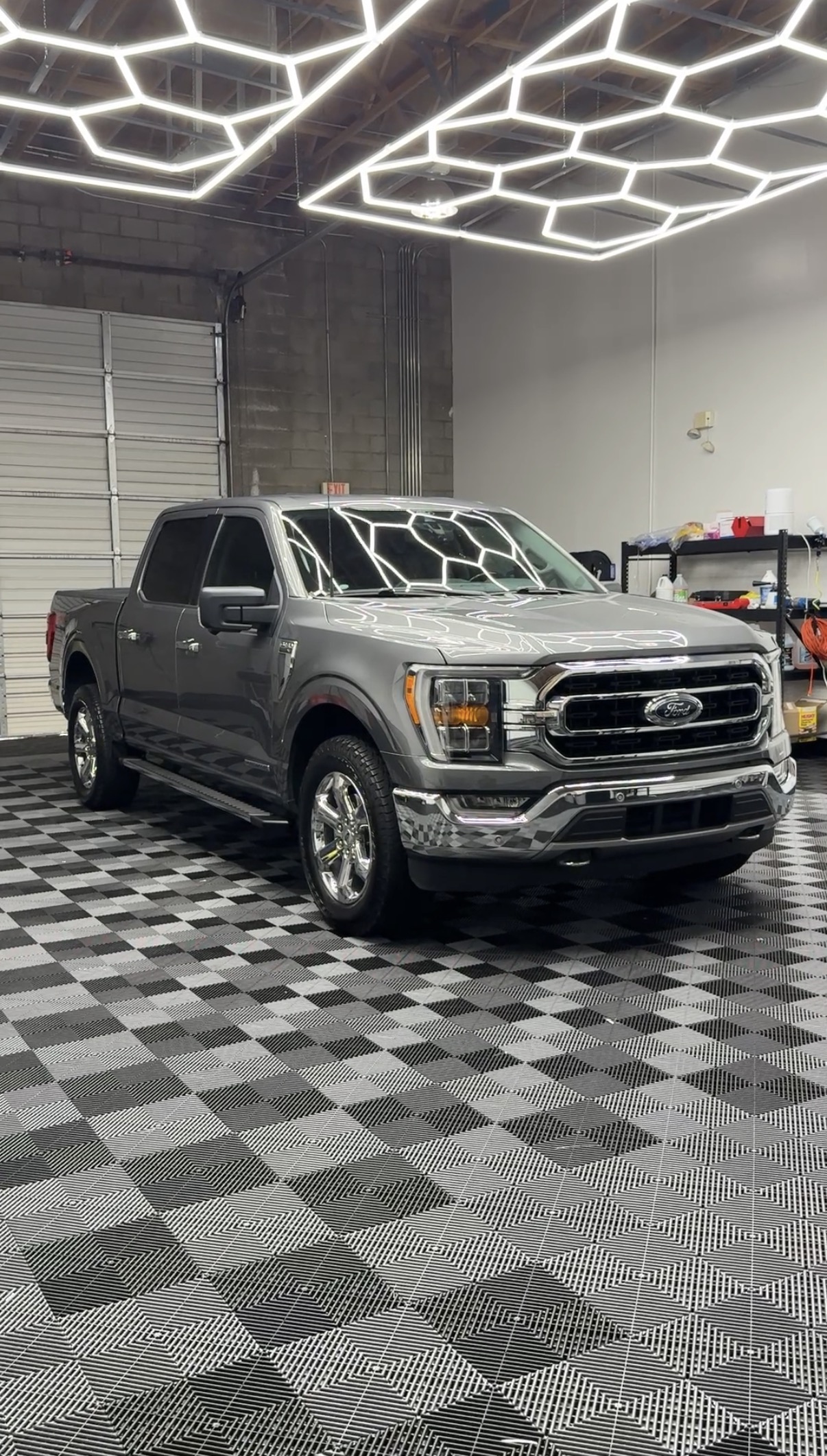
Can Ceramic Coating Help Preserve Your Car's Resale Value?
Does Ceramic Coating Help Preserve a Vehicle’s Resale Value?
Maintaining exterior paint condition can help vehicle owners protect their investment over time. A professional ceramic coating in Scottsdale adds durable UV- and chemical-resistant protection against many of the environmental hazards found in the Sonoran Desert. Because exterior conditions can influence buyer interest and appraisal results, preserving gloss and reducing avoidable paint damage may support a stronger presentation when it is time to sell or trade in the vehicle.
Does Ceramic Coating Increase the Resale Value of Your Car?
Ceramic coating can help preserve a vehicle’s resale appeal by supporting the condition of its exterior, but it does not guarantee a particular appraisal or selling price. Oxidation, heavy swirl marks, clear coat failure, and water-spot etching can make a vehicle less attractive to buyers and may affect how its condition is assessed.
By bonding to the prepared clear coat, ceramic coatings create a durable, hydrophobic surface that helps resist UV exposure, chemicals, road grime, and environmental contamination. They do not make paint scratch-proof or eliminate the possibility of water spots, but proper installation and maintenance can help the exterior retain gloss and remain easier to clean.
In a competitive pre-owned market, a clean exterior and documented professional protection can make a vehicle more appealing. The final resale result still depends on mileage, mechanical condition, accident history, market demand, and other factors beyond the paint finish.
Why Is Ceramic Coating in Scottsdale Key to Maximizing Trade-In Value?
Applying a ceramic coating in Scottsdale may support trade-in appeal by helping owners maintain factory paint through local environmental exposure. It will not keep a vehicle completely scratch-free, but it can provide useful UV and chemical resistance when paired with safe washing and regular care.
Vehicle owners throughout the region face severe local environmental conditions that impact resale appraisals:
High UV Radiation Breakdown: Continuous sun exposure breaks down paint resins, causing clear coats to fade, turn chalky, or peel prematurely.
Sandstorm and Dust Micro-Abrasion: Fine airborne dust blowing off the Loop 101 highway acts like sandpaper, inflicting widespread micro-scratching.
Severe Thermal Cycling Expansion: Body panels expanding under intense heat cause unprotected clear coats to become brittle and porous.
Hard Water Mineral Staining: Sprinkler runoff near residential communities deposits heavy calcium and magnesium that etch deeply into warm clear coats.
Reducing avoidable exterior damage can help a vehicle present better during an appraisal, although the final condition grade remains the appraiser’s decision.
How Does Desert Weather Destroy Vehicle Resale Value in Arizona?
Arizona's extreme desert climate is notoriously brutal on vehicle paintwork, often causing rapid visual aging that slashes resale potential. Clear coat damage occurring under direct sun exposure is frequently permanent, requiring expensive repainting or heavy compounding that reduces factory originality.
When vehicle paint sits in direct summer sun in North Scottsdale or Old Town Scottsdale, dark body panels can become extremely hot. Heat and UV exposure can accelerate oxidation and make dried contaminants, bug residue, and mineral deposits more difficult to remove safely.
Once clear coat failure begins, the underlying color coat becomes more vulnerable, which can lead to peeling, cracking, and severe fading. Correcting that damage may require body-shop refinishing, and non-original or deteriorated paint can affect a buyer’s assessment.
What Paint Defects Impact Vehicle Value Preservation the Most?
When appraisers evaluate pre-owned vehicles, cosmetic paint flaws directly reduce appraised value. A vehicle with mechanical integrity but damaged paint often receives lower valuation offers than a mechanically similar car with immaculate factory paint.
Understanding how common paint defects lower pre-owned market valuation highlights the importance of preventive protection:
Spiderweb Swirl Marks: Caused by improper hand washing or automated brush car washes, these micro-scratches scatter light and make dark paint look dull and gray.
Deep Calcium Etching: Created when mineral-heavy tap water or sprinkler runoff dries rapidly under direct sunlight, leaving permanent ring-shaped scars in the clear coat.
Sun-Induced Oxidation: Results from UV breakdown of clear coat resins, changing high-gloss surfaces into cloudy, chalky, or white-hazed finishes.
Chemical Fallout Spotting: Caused by acid rain, bird droppings, and tree sap sitting on warm paint, eating through protective clear layers.
Clear Coat Delamination: The final stage of paint failure where clear coat peels completely off base color coats, requiring full panel repainting.
By helping resist UV exposure and chemical contamination, ceramic coatings can support a cleaner, glossier appearance over their rated service life when maintained correctly.
How Does Long-Term Automotive Paint Protection Compare to Regular Waxing?
Achieving long-term automotive paint protection requires understanding the vast operational differences between traditional organic waxes, synthetic sealants, and nano-ceramic coatings. Traditional products offer short-term shine but fail quickly under high thermal stress, leaving paint vulnerable to desert climate conditions.
The following table compares key characteristics of vehicle protection options:
Traditional waxes generally require more frequent reapplication, especially in Arizona heat. Ceramic coatings bond to properly prepared clear coats and provide longer-term protection. Picture Perfect Detailing offers 2-year, 5-year, and 9-year coating options so the protection period can be matched to the vehicle and ownership plan.
The coating still requires proper aftercare and does not prevent every defect, but it can help preserve exterior condition throughout its rated term.
How Do Dealerships and Private Buyers Evaluate Exterior Condition?
Automotive appraisers and pre-owned vehicle buyers follow structured evaluation protocols when inspecting exterior condition. Exterior appearance serves as a primary indicator of how well the rest of the vehicle was maintained.
Understanding buyer evaluation steps helps owners protect their equity prior to selling:
Direct Sunlight and Inspection Lighting: Appraisers view body panels under high-intensity light to check for swirl marks, holograms, and clear coat hazing.
Paint Depth Gauge Inspection: Buyers check panel thickness to verify whether original factory paint exists or if body shop repainting occurred following damage.
Surface Smoothness and Contamination Test: Running a hand across paint panels reveals embedded grit, industrial fallout, or rough water spots.
Hydrophobic Water Test: Observing how water behaves on panels reveals whether active protection exists or if paint is bare and vulnerable.
During a resale inspection, well-maintained original paint may be viewed favorably because it can reduce the amount of exterior reconditioning needed.
When preparing your vehicle for resale appraisal or routine protection, you can easily contact us to review your vehicle's current paint condition and establish a safe protection schedule.
Keeping factory paint clean and protected can strengthen the vehicle’s exterior presentation, though no coating can guarantee a particular appraisal score.
What Are the Key Financial Benefits of Ceramic Coating for Resale?
Ceramic coating may provide financial value by helping preserve paint and making routine cleaning easier. Whether it offsets its upfront cost depends on the vehicle, ownership period, maintenance, and eventual sale conditions.
Key financial advantages include:
Reduced Risk of Avoidable Paint Damage: UV and chemical resistance may lower the likelihood of some deterioration that would otherwise require correction or refinishing.
Simpler Routine Cleaning: Hydrophobic performance can make dirt and water easier to remove when safe wash methods are used.
Stronger Listing Presentation: A clean, glossy exterior can improve photographs and buyer impressions.
Documented Professional Care: Installation and maintenance records can demonstrate that the exterior received consistent attention.
Less Reconditioning: Better-preserved paint may require less corrective work before a sale or trade-in.
These benefits may support resale appeal, but the final financial result cannot be guaranteed.
What Role Does Professional Paint Preparation Play in Resale Value?
Applying a ceramic coating without proper surface preparation locks existing defects underneath a hard, transparent shell. To ensure maximum visual depth and chemical bonding, professional detailers execute multi-stage surface prep before coating application.
A comprehensive preparation sequence involves multiple detailed steps:
Decontamination Foam Wash: Removes loose surface dirt, road grime, and topical oil residue from body panels.
Iron Fallout Chemical Dissolution: Dissolves embedded metallic brake dust clinging to wheel arches and lower body sections.
Synthetic Clay Bar Exfoliation: Lifts trapped environmental contaminants, tree sap, and overspray out of clear coat pores.
Precision Paint Correction Polishing: Uses dual-action polishers to level swirl marks, minor scratches, and oxidation.
Isopropyl Solvent Panel Wipe: Strips remaining polishing oils to expose bare clear coat for direct ceramic bonding.
Thorough preparation helps the coating bond evenly and improves the finished appearance. Picture Perfect Detailing includes paint correction or polishing with its published ceramic-coating packages, with the level of correction depending on the selected service and the paint’s condition.
How Do You Maintain Ceramic Coated Vehicles to Ensure Maximum Value?
Maintaining a ceramic coating requires straightforward hand-washing techniques to keep the hydrophobic surface free from contamination. Clogged surface pores disrupt water beading, making coated paint appear dull if neglected.
To keep ceramic coatings operating at peak performance throughout ownership, follow these essential maintenance practices:
Wash Every Two to Four Weeks: Routine hand washing helps prevent road film and airborne desert dust from accumulating on the coated surface.
Use Dedicated pH-Neutral Shampoos: Avoid harsh dish detergents, aggressive degreasers, or wax-infused shampoos that leave films on hydrophobic surfaces.
Follow Two-Bucket Washing Protocols: Use separate wash and rinse buckets equipped with bottom grit guards to trap dirt particles safely.
Dry with Touchless Forced Air or Plush Towels: Force water out of crevices using air dryers or gently slide high-pile microfiber towels over panels.
Avoid Automated Friction Car Washes: Heavy spinning brushes drag gritty dirt across body panels, causing severe scratching.
Following these core care routines maintains the glass-like gloss and hydrophobic performance that impresses future buyers.
Frequently Asked Questions About Ceramic Coating and Resale Value
Ceramic coating can be a useful part of long-term exterior care, but buyers often have questions about documentation, warranty terms, timing, and maintenance. The answers below explain what to expect without promising a specific resale outcome.
Does ceramic coating show up on Carfax or vehicle history reports?
Picture Perfect Detailing’s published ceramic-coating packages include Carfax reporting. Keep the installation invoice, warranty information, and maintenance records as additional proof of professional exterior care.
Can you transfer a ceramic coating warranty when selling your car?
Warranty transfer terms vary by product and package. Confirm the exact transfer requirements with Picture Perfect Detailing and keep the original warranty documents before representing coverage to a buyer.
How long before selling a vehicle should you apply ceramic coating?
Applying a coating earlier in ownership gives it more time to help protect the paint. Coating a vehicle closer to sale can still improve gloss and presentation after appropriate preparation, but it does not guarantee a higher appraisal.
Is ceramic coating worth it for a leased vehicle in Scottsdale?
Ceramic coating may be useful for leased vehicles driven around McCormick Ranch or DC Ranch because it can help owners maintain the exterior. It does not prevent all damage or guarantee that a vehicle will avoid lease-end charges, so review the lease return standards and continue using safe wash methods.
How do you prove to a private buyer that a vehicle has a ceramic coating?
The strongest proof is the original installation invoice, warranty information, Carfax entry where applicable, and maintenance records. Water behavior can be a useful visual indicator, but it should be treated as supporting evidence rather than definitive proof by itself.
Conclusion
Preserving resale appeal starts with consistent exterior care in Arizona’s heat, UV exposure, and dust. A professionally installed coating can help maintain gloss and resist environmental contamination, but results depend on paint condition, maintenance, and the vehicle’s overall history. Picture Perfect Detailing offers 2-year, 5-year, and 9-year coating options, along with aftercare instructions and a 7-day post-installation inspection.
When you want to protect your vehicle investment and maximize its future resale value, rely on the certified detailing team at Picture Perfect Detailing.

